
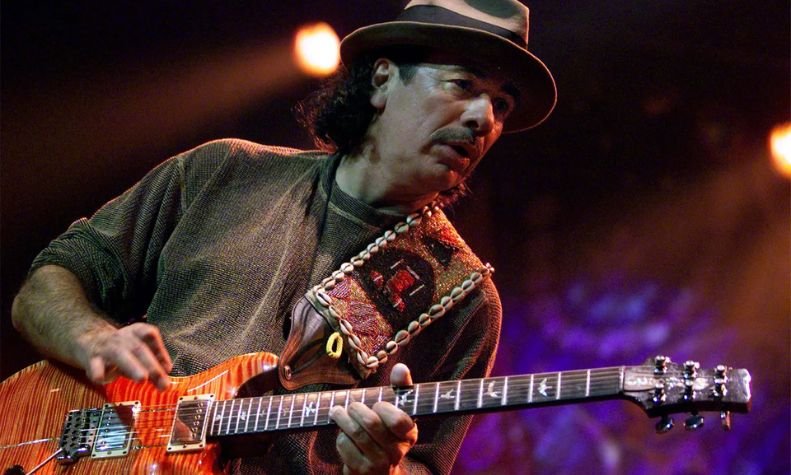
Carlos Santana Net Worth in 2026: Wealth, Earnings, and Legacy
Carlos Santana net worth is widely estimated at $120 million, according to estimates published by celebrity wealth websites. However, this figure should be treated as an estimate rather than a verified financial statement. His private investments, expenses, and current income are not fully public.
Born in Mexico, Santana became one of the most recognizable guitarists in rock music. His distinctive blend of Latin rhythms, blues, jazz, and rock helped him build a career spanning several decades. Album sales, touring, songwriting royalties, and business ventures have all contributed to his financial success.
Carlos Santana’s Net Worth and Personal Details
| Fact | Details |
| Full name | Carlos Humberto Santana Barragán |
| Date of birth | July 20, 1947 |
| Age in 2026 | 79 |
| Birthplace | Autlán, Jalisco, Mexico |
| Nationality | Mexican-born American |
| Profession | Guitarist, songwriter, musician |
| Estimated net worth | Approximately $120 million, unverified estimate |
| Famous album | Supernatural |
| Famous song | “Smooth” |
| Current wife | Cindy Blackman Santana |
| Children | Three children from his first marriage |
Santana’s age follows from his birth date. His net worth, however, cannot be calculated precisely from publicly available information. Estimates may differ because websites use different methods and may not have access to his private financial records.
How Does Carlos Santana Earn His Money?
Carlos Santana has built his fortune through several income streams rather than relying on one successful album. His music catalog, live performances, licensing arrangements, and commercial projects have helped maintain his financial position long after his initial rise to fame.
His earnings also reflect the lasting appeal of his music. Songs recorded decades ago can continue generating revenue when people stream them, purchase recordings, hear them on the radio, or encounter them in films and television programs.
Music Sales and Album Royalties
Music sales played an important role in building Santana’s wealth. His early albums attracted listeners through a distinctive sound that combined electric guitar with Latin percussion. Albums such as Santana and Abraxas helped establish his band as an influential force in rock music.
His later release, Supernatural, introduced his music to another generation. The album featured collaborations with artists including Rob Thomas and produced major hits such as “Smooth” and “Maria Maria.” Record sales, streaming, and licensing can generate continuing revenue, although the amount Santana personally receives depends on contractual rights and expenses.
Concert Tours and Live Performance Earnings
Concert tours are another important potential source of income for an established musician like Santana. Ticket sales, festival appearances, and other live performances can generate substantial revenue when demand is strong.
However, gross ticket revenue is not the same as personal earnings. Touring involves payments to musicians, crew members, venues, promoters, production teams, and other service providers. Therefore, claims about Santana’s annual concert income should not be treated as confirmed without reliable financial disclosures.
Songwriting Royalties and Music Licensing
Music royalties can provide income long after a song is first released. Depending on songwriting credits, publishing agreements, recording ownership, and distribution arrangements, a musician may receive money when eligible works are streamed, broadcast, performed publicly, or licensed for other uses.
Santana’s best-known recordings have remained recognizable across generations. Songs such as “Black Magic Woman,” “Oye Como Va,” and “Smooth” continue to have cultural value. Nevertheless, the revenue from each song is divided according to the applicable rights and agreements, so popularity alone does not reveal an artist’s personal royalty income.
Brand Endorsements and Partnerships
Santana has also been associated with commercial ventures beyond recording and touring. His public profile has created opportunities connected to music products, branded merchandise, and business partnerships.
One notable association is PRS (Paul Reed Smith) guitars, which are closely linked to his playing career. His relationship with guitar equipment reflects the commercial value of his distinctive sound and long-standing reputation. Specific endorsement payments, however, are not reliably established by the information available here.
Business Ventures and Other Income Sources
Santana has explored business opportunities outside the recording studio, including restaurants and branded products. Such ventures can diversify income, although their actual profitability depends on ownership shares, operating costs, licensing arrangements, and business performance.
His memoir, The Universal Tone: Bringing My Story to Light, also extends his work into publishing. Book sales and related rights may provide additional revenue. Still, these activities should be considered possible contributors to his overall wealth rather than assigned unsupported dollar amounts.
Carlos Santana’s Salary and Annual Income
Carlos Santana does not have a publicly verified fixed annual salary comparable to that of an employee. His earnings can change significantly depending on touring schedules, album activity, royalties, licensing agreements, and business interests.
Some online articles have quoted annual income figures of $20 million or more and salary figures around $10 million. These numbers should not be presented as confirmed current earnings without supporting financial documentation. They may refer to different periods or use unclear calculation methods.
For a musician of Santana’s stature, yearly income can include performance fees, publishing revenue, recording royalties, and commercial arrangements. Yet gross revenue must be distinguished from personal income because business expenses, taxes, management fees, and payments to collaborators affect the final amount.
Carlos Santana’s Real Estate and Property Investments
Real estate has been another visible part of Santana’s financial story. Reports over the years have linked him to properties in Las Vegas, California, and Hawaii. These homes reflect substantial property transactions, but their purchase prices alone do not establish his current net worth.
To understand real estate’s role in his finances, it is important to consider both purchases and sales. Property values can rise or fall, while maintenance, taxes, financing, and transaction costs can reduce the amount an owner ultimately retains.
His Luxury Home in Las Vegas
In 2013, reports stated that Santana purchased a modern Las Vegas home for approximately $6 million. The property was described as having advanced home technology and entertainment amenities. The purchase attracted attention because of its price and location in an upscale community.
This transaction illustrates how successful performers may invest in residential property. However, the purchase price represents the value at the time of the transaction, not necessarily the home’s current market value or the profit Santana may have earned from it.
Real Estate Holdings in California
Santana has also been linked to a property compound in San Rafael, California, near the San Francisco area where his musical career developed. The region has long been associated with his personal and professional history.
Public reporting about a property does not always establish whether it remains in someone’s ownership. Consequently, historical descriptions of Santana’s California real estate should not automatically be treated as a complete list of his current holdings.
Carlos Santana’s Properties in Hawaii
Hawaii has featured prominently in reports about Santana’s property investments. In 2019, he reportedly purchased a home on Kauai for approximately $2.7 million. In 2020, another Kauai property was reportedly acquired for around $8 million.
In June 2021, reports described a third Kauai home purchased for approximately $20.5 million. The previously acquired $8 million property was subsequently reported sold in 2022 for about $11.9 million. These historical transactions demonstrate the scale of his reported real estate activity, but they do not establish his present property portfolio.
Property Purchases and Sales
Real estate can contribute to wealth through appreciation, rental income, and the eventual sale of a property. Nevertheless, the financial result depends on the difference between sale proceeds and the original purchase price, improvements, financing, taxes, and other expenses.
Santana’s reported property transactions offer useful context for understanding his financial life. They should not be added together and described as current assets, because some properties may have been sold and others may have changed in value.
Carlos Santana’s Early Life and Musical Beginnings
Carlos Humberto Santana Barragán was born on July 20, 1947, in Autlán, Jalisco, Mexico. Music became part of his life early, as he learned the violin at about five years old before turning to the guitar around age eight.
His father played in a mariachi band, introducing him to Mexican musical traditions. Santana also admired American rock performers, including Ritchie Valens. These different influences helped shape the musical approach that later distinguished him from many guitarists of his generation.
Childhood in Mexico and Early Music Lessons
Santana’s early musical education gave him experience with melody and performance before his professional career began. Although he started with the violin, the guitar eventually became the instrument through which he developed his signature voice.
His background in Mexican music remained important even as he explored rock, blues, and jazz. Rather than treating these styles as separate traditions, Santana brought them together in a sound that was immediately recognizable to listeners.
Moving to San Francisco and Developing His Guitar Style
Santana’s family eventually moved to San Francisco, California. The city offered exposure to a diverse music scene during a period of major cultural change in the 1960s.
He absorbed influences from artists and groups working across rock, blues, jazz, and Latin music. His playing became known for sustained notes, expressive phrasing, melodic solos, and the rhythmic energy of Latin percussion. This combination helped create a musical identity that listeners could recognize without hearing his name.
Early Career and the Formation of Santana
In 1966, Santana helped form the Santana Blues Band, which later became known simply as Santana. The group developed a sound built around electric guitar, percussion, bass, keyboards, and a changing lineup of musicians.
Their self-titled debut album was released in 1969 through Columbia Records. Its success, combined with the band’s memorable festival appearance that year, created a foundation for future album sales, touring opportunities, and international recognition.
How Woodstock Helped Build Carlos Santana’s Fortune
Santana’s appearance at the Woodstock Festival in 1969 became one of the defining moments of his early career. The band’s performance introduced its unusual mixture of rock guitar and Latin rhythms to a much wider audience.
The Woodstock film and soundtrack helped preserve the performance and extend its reach beyond the people who attended the festival. This exposure supported the band’s growing reputation and helped create interest in its recordings, including the debut album Santana.
Santana’s Breakthrough Performance at Woodstock in 1969
Santana performed at Woodstock before the release of the band’s debut album. The group’s energetic set, particularly “Soul Sacrifice,” became one of the festival’s memorable musical moments.
The exposure mattered commercially as well as artistically. A major performance can introduce listeners to an unfamiliar act, encourage record purchases, and create demand for future concerts. Woodstock helped Santana move from a promising band to an internationally recognized name.
The Success of His Debut Album
Released in 1969, Santana reached No. 4 on the Billboard 200, according to historical chart accounts. The album also featured “Evil Ways,” which became a major hit in the United States.
The success established a commercial foundation for the group. It also demonstrated that Santana’s distinctive blend of styles could attract a mainstream audience without abandoning its musical identity.
Early Hit Songs and Rising Popularity
Following the debut, the band released Abraxas in 1970. The album included “Black Magic Woman” and “Oye Como Va,” two recordings that became central to Santana’s musical legacy.
Successful albums and recognizable songs can create income over many years through sales, licensing, and performance rights. Their long-term value depends on the ownership and royalty agreements attached to each recording and composition.
The Success of Supernatural and Carlos Santana’s Career Comeback
Released in 1999, Supernatural marked a major commercial comeback for Santana. Instead of relying only on his established audience, the album paired his guitar playing with a new generation of popular performers.
The project became a global success, with collaborations that reached listeners across rock, pop, and Latin music. Its commercial impact strengthened Santana’s profile and brought renewed attention to his earlier catalog.
The Story Behind the Supernatural Album
Supernatural included collaborations with Rob Thomas, Lauryn Hill, Eric Clapton, Wyclef Jean, and other artists. The variety of voices and styles helped the album appeal to a broad audience.
The project also demonstrated the value of collaboration in the music industry. By combining Santana’s established musical identity with contemporary performers, the album introduced his work to listeners who might not have followed his earlier releases.
How Smooth and Maria Maria Became Major Hits
“Smooth,” featuring Rob Thomas of Matchbox Twenty, became one of Santana’s best-known recordings. “Maria Maria,” featuring The Product G&B, also achieved major commercial success.
These songs gave the album a lasting presence on radio and in popular culture. Their continuing recognition can support streaming and licensing activity, although current revenue from either song is not publicly established.
Grammy Awards and Commercial Success
Supernatural received widespread industry recognition at the 2000 Grammy Awards. Santana and the album’s collaborators won nine Grammy Awards, including Album of the Year and Record of the Year for “Smooth.”
The album’s success revitalized his commercial position and reinforced his status as a major figure in popular music. Awards do not directly determine wealth, but recognition can improve an artist’s visibility and create further performance and business opportunities.
Carlos Santana’s Business Ventures Beyond Music
Santana’s professional activities have extended into restaurants, branded products, publishing, and commercial partnerships. These ventures reflect an effort to bring his name and creative identity into areas beyond recorded music.
However, celebrity association does not automatically mean full ownership or guaranteed profits. The financial value of a business depends on its structure, operating performance, contractual terms, and the artist’s actual ownership interest.
Maria Maria Mexican Restaurant Chain
Santana was associated with Maria Maria, a Mexican restaurant concept developed with chef Roberto Santibañez. The name draws from “Maria Maria,” one of the musician’s best-known songs.
The restaurant venture connected his musical identity with Mexican-inspired dining. Its contribution to Santana’s net worth cannot be reliably quantified without information about ownership, operating results, and the terms of his involvement.
Santana-Branded Products and Endorsements
Santana’s name has been associated with musical instruments and products connected to his career. His relationship with PRS guitars is especially relevant because his expressive playing helped make the brand connection recognizable to guitar fans.
Branded products and endorsements can provide income through fees, royalties, or other contractual arrangements. However, the details of individual agreements are generally private, so exact endorsement earnings should not be assumed.
Other Business Interests and Investments
Santana has also expanded his public presence through publishing and other creative projects. His memoir, The Universal Tone: Bringing My Story to Light, offers readers an account of his life, music, and personal philosophy.
Publishing can generate advances and royalties, depending on the agreement. Likewise, investments may add to wealth or lose value. Without reliable financial disclosures, it is more accurate to describe these activities as additional business interests than to assign them specific dollar values.
Carlos Santana’s Awards and Career Achievements
Santana’s awards reflect the lasting influence of his work across several musical traditions. His achievements include Grammy recognition, Latin Grammy honors, and induction into the Rock & Roll Hall of Fame.
He was inducted into the Rock & Roll Hall of Fame in 1998 as a member of Santana. The recognition celebrated the band’s musical contribution and its role in bringing Latin-influenced rock to a broad international audience.
Grammy and Latin Grammy Awards
Santana won multiple Grammy Awards during his career, with Supernatural accounting for nine wins at the 2000 ceremony. He has also received Latin Grammy recognition, reflecting the reach of his music across Latin and international audiences.
These honors strengthened his cultural reputation and helped introduce his work to new listeners. However, awards should be understood as measures of recognition rather than direct evidence of personal earnings.
Rock & Roll Hall of Fame Induction
Santana’s 1998 induction into the Rock & Roll Hall of Fame recognized his impact as a guitarist and bandleader. His music combined styles that were not always presented together in mainstream rock at the time.
His legacy is also reflected in the influence he has had on guitarists and performers across genres. The combination of melody, rhythmic complexity, and expressive tone remains central to his musical identity.
Musical Legacy and Industry Recognition
Santana’s career has included successful recordings, major collaborations, live performances, and decades of continued activity. His work demonstrates how an artist can preserve a distinctive sound while adapting to changing audiences and musical trends.
His cultural influence extends beyond any single hit. By bringing Latin rhythms into rock and blending them with blues and jazz, Santana helped broaden the sounds heard in mainstream popular music.
Carlos Santana’s Personal Life and Family
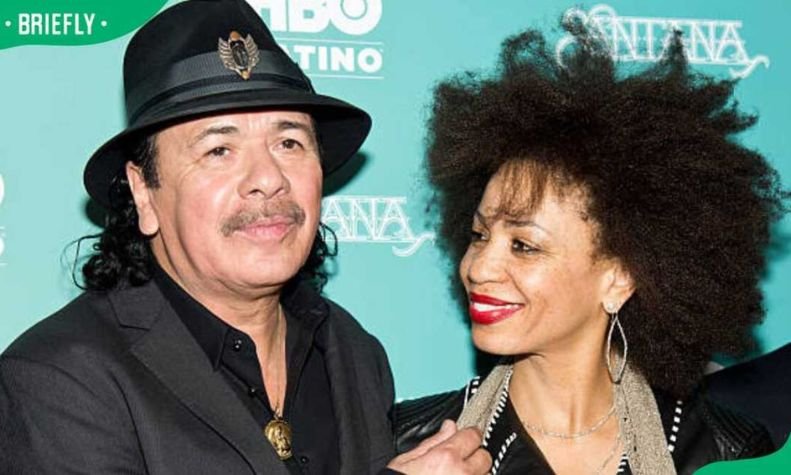
Santana’s personal life has included two marriages and three children from his first marriage. He married Deborah Santana in 1973, and the couple later divorced. In December 2010, he married drummer Cindy Blackman, who has also performed with prominent rock musicians.
Although his public career has often focused on music, Santana has also spoken about spirituality and personal growth. These interests form part of his public identity, alongside his work as a guitarist and his support for charitable causes.
Who Is Carlos Santana Married To?
Carlos Santana is married to Cindy Blackman Santana, a respected drummer known for her work with Lenny Kravitz and other musicians. They married in December 2010.
Before that marriage, Santana was married to Deborah Santana for approximately 34 years. Their divorce was filed in 2007. Keeping these relationships distinct helps avoid the common mistake of presenting his former and current marriages as the same relationship.
His Children and Family Background
Santana and Deborah Santana have three children: Salvador, Stella, and Angelica. Salvador has pursued a career in music, continuing the family’s connection to the arts.
Santana’s family life has largely remained separate from his public musical achievements. While his children and relationships are part of his biography, reliable details about private family finances are not generally available.
Nationality, Age, and Personal Interests
Born in Mexico, Santana became a naturalized American citizen in 1965. He has therefore been associated with both Mexican heritage and American musical culture throughout his life.
His music draws on these cultural connections while also reflecting his interest in blues, jazz, rock, and spirituality. This blend of backgrounds has helped shape the sound and identity that distinguish him from many other guitarists.
Carlos Santana’s Philanthropy and the Milagro Foundation
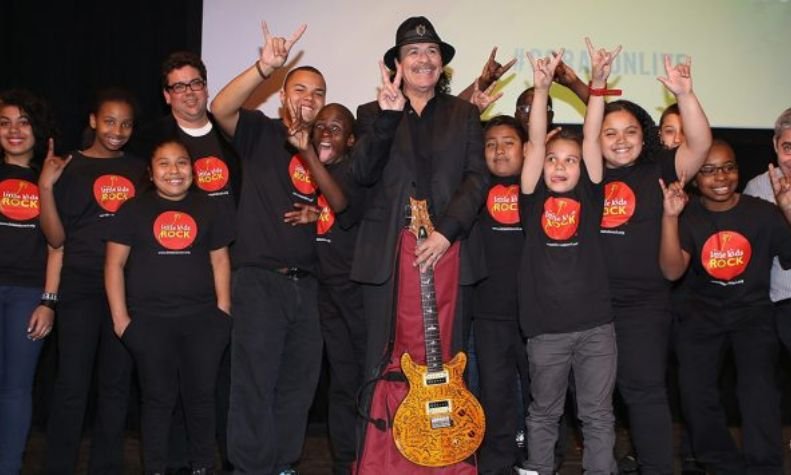
Santana and Deborah Santana established the Milagro Foundation in 1998. The organization has focused on supporting under-resourced children through areas such as health, education, and the arts.
The foundation reflects an effort to use public success to support community initiatives. Its work adds another dimension to Santana’s legacy, although charitable activity should not be confused with personal net worth or counted as an income source.
Supporting Children’s Health, Education, and the Arts
The Milagro Foundation has supported programs intended to improve opportunities for children and young people. Its areas of interest include access to education, health services, and artistic development.
Such programs can help communities by directing resources toward groups with limited access to services. Specific grant totals and current program figures should be checked against the foundation’s own published information before being quoted.
Carlos Santana’s Charitable Contributions and Community Impact
Santana’s philanthropy forms part of his public work beyond music. His association with children’s programs and arts education reflects the broader role that musicians can play in supporting social causes.
His legacy therefore includes more than records and financial estimates. It also includes cultural influence, charitable involvement, and the ability to bring public attention to organizations working with underserved communities.
Carlos Santana’s Music Royalties and Long-Term Wealth
A major factor in understanding Santana’s long-term wealth is the continuing commercial life of his recordings. Unlike income tied only to a single performance, eligible music rights can generate royalties over many years when songs are used or distributed.
The exact amount Santana receives depends on ownership, publishing rights, recording contracts, and the number of uses. Consequently, it would be misleading to estimate his personal royalty income solely from streaming popularity or historical record sales.
How His Classic Songs Continue to Generate Income
Songs such as “Smooth,” “Black Magic Woman,” “Oye Como Va,” and “Evil Ways” remain important parts of Santana’s musical identity. They may generate revenue through streaming, broadcasts, public performances, and licensed uses, subject to the rights involved.
Not every payment connected to a song goes directly to the performer. Songwriters, publishers, record labels, co-performers, and rights holders may receive different shares depending on the agreements governing the music.
The Financial Value of His Music Catalog
A music catalog can hold financial value because established songs may continue attracting listeners and licensing opportunities. Buyers evaluating a catalog generally consider its income history, rights ownership, future revenue potential, and contractual restrictions.
Santana’s recognizable recordings give his catalog enduring cultural relevance. Still, no verified public valuation of his complete music catalog is established here, and it would be inappropriate to invent one or treat it as a separate addition to his estimated net worth.
Touring, Licensing, and His Lasting Commercial Appeal
Touring and licensing can complement the income generated by recordings. Live performances bring music directly to audiences, while licensing can place existing songs in films, television, advertisements, and other media.
The balance between these income streams changes over time. A touring year may produce different results from a quieter year, while catalog revenue depends on continued use and the rights arrangements attached to each recording.
What Makes Carlos Santana’s Wealth Different From Other Musicians?
An important insight is that Santana’s financial story is tied to musical longevity rather than one uninterrupted period of popularity. His early success at Woodstock established a foundation, while Supernatural brought a second wave of commercial attention roughly three decades later.
That career pattern matters because it shows how a recognizable musical identity can remain valuable while the industry changes. His catalog spans different generations of listeners, and collaborations helped reconnect his established guitar style with contemporary pop audiences.
For readers evaluating Carlos Santana net worth, the key distinction is between public career milestones and private financial information. Album success, awards, and reported property transactions provide useful context, but they do not reveal every asset, liability, contract, or expense.
Frequently Asked Questions
What Is Carlos Santana Net Worth in 2026?
Carlos Santana’s net worth is commonly estimated at approximately $120 million by celebrity wealth websites. This is an unverified estimate, not an official financial disclosure. His exact wealth may differ because his investments, expenses, and contractual income are private.
How Much Does Carlos Santana Make Annually?
His current annual income is not publicly verified. Earnings may include touring, music royalties, licensing, and business arrangements. Online claims of $10 million in salary or $20 million or more in annual income should be treated cautiously without supporting documentation.
How Did Carlos Santana Become Rich?
Santana built his wealth through a long music career, successful albums, concert performances, songwriting-related income, and business ventures. Woodstock brought early recognition, while Supernatural and its hit singles introduced his music to a new generation of listeners.
How Many Records Has Santana Sold?
Santana is widely reported to have sold more than 100 million records worldwide. Exact totals can vary by source and counting method, particularly when album sales, compilations, and other formats are included.
What Is Carlos Santana’s Most Successful Album?
Supernatural, released in 1999, is widely regarded as Santana’s major commercial comeback. Featuring “Smooth” with Rob Thomas and “Maria Maria,” it became an international hit and won nine Grammy Awards at the 2000 ceremony.
How Many Grammy Awards Has Carlos Santana Won?
Santana and his collaborators won nine Grammy Awards associated with Supernatural at the 2000 ceremony. He has received other music-industry honors throughout his career, including Latin Grammy recognition. Award totals should be checked against official award records when exact lifetime counts are required.
What Businesses Does Carlos Santana Own?
Santana has been associated with the Maria Maria restaurant concept, musical products, endorsements, and publishing. However, public association does not establish current ownership or profitability. The precise financial contribution of these ventures to his net worth is not publicly verified.
Who Is Carlos Santana’s Current Wife?
Carlos Santana married drummer Cindy Blackman Santana in December 2010. His previous marriage was to Deborah Santana, with whom he had three children. Cindy Blackman Santana is an established musician who has performed with Lenny Kravitz and other artists.
Final Thoughts
Carlos Santana’s estimated $120 million net worth reflects the financial success associated with a remarkable music career, although the figure is not independently verified. His recordings, touring history, business interests, and reported real estate transactions help explain the sources commonly associated with his wealth.
Ultimately, Santana’s influence reaches beyond money. From Woodstock and Abraxas to the Grammy-winning success of Supernatural, he built a lasting musical identity by bringing Latin rhythms, rock, blues, and jazz together. His continuing cultural impact remains one of the most important parts of his legacy.





One Comment